


Your vehicle’s engine produces an enormous amount of heat while it operates. Without a properly functioning cooling system, that heat can quickly become damaging. The cooling system regulates engine temperature, helps prevent overheating, and allows your engine to operate within its proper temperature range.
When a cooling system component begins to fail, you may notice warning signs such as an overheating engine, coolant leaks, unusual smells, or changes in your vehicle’s temperature gauge. Addressing these problems early can help you avoid more extensive repairs and keep your vehicle operating reliably.
What Is Your Vehicle’s Cooling System?
Your cooling system is a network of components that work together to absorb and transfer excess heat away from the engine. While coolant is an important part of the system, several other components are necessary to keep coolant circulating and engine temperatures under control.
Your cooling system typically includes:
- Radiator: Transfers heat from the coolant to the surrounding air.
- Coolant: Absorbs heat from the engine and carries it to the radiator.
- Water pump: Circulates coolant through the engine and cooling system.
- Thermostat: Regulates coolant flow and helps the engine reach and maintain its proper operating temperature.
- Radiator hoses: Carry coolant between the engine, radiator, and other components.
- Cooling fans: Help move air through the radiator, particularly when your vehicle is stationary or moving slowly.
- Expansion or coolant reservoir: Provides space for coolant to expand as it heats and contracts as it cools.
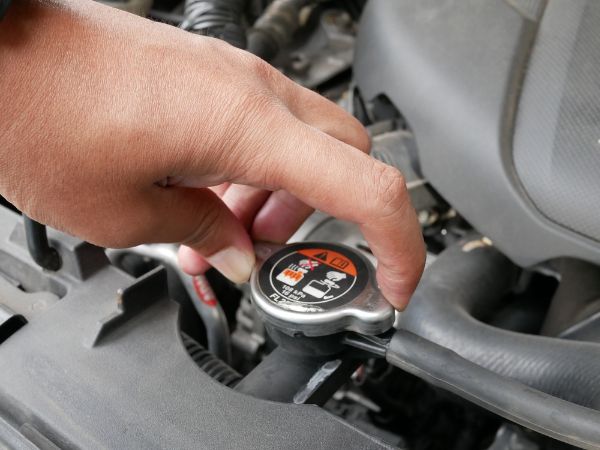
- Radiator cap: Helps maintain the correct pressure within the cooling system.
- Heater core: Uses hot coolant from the engine to provide heat for your vehicle's cabin.
Your cooling system depends on all of these components working properly. A problem with one component can affect the performance of the entire system.
Signs You May Need Cooling System Repair
Cooling system problems don't always begin with an obvious breakdown. Paying attention to changes in your vehicle can help you identify a developing problem before it causes major damage.
Your temperature gauge is running hot. If your temperature gauge consistently reads higher than normal or moves into the hot range, your engine may not be receiving adequate cooling.
Your vehicle is overheating. Overheating is one of the most serious signs of a cooling system problem. A failed thermostat, damaged radiator, low coolant level, faulty water pump, or cooling fan problem can all contribute to overheating.
You notice coolant underneath your vehicle. Coolant leaks can occur from hoses, the radiator, water pump, thermostat housing, or other cooling system components. A puddle or wet area beneath your vehicle should be inspected.
You smell coolant. A sweet smell coming from your engine compartment or inside your vehicle can indicate a coolant leak. You may also notice the smell after parking your vehicle.
Your coolant level keeps dropping. If you frequently need to add coolant, you may have a leak or another cooling system issue that needs to be diagnosed.
Your heater isn't working properly. Because your vehicle's heater relies on hot engine coolant, cooling system problems can sometimes affect cabin heat. A lack of heat may indicate low coolant, restricted coolant flow, or another issue.
You see coolant leaking around the engine. Cracked hoses, deteriorated connections, or a failing water pump can allow coolant to escape. Leaks should be addressed before the coolant level becomes dangerously low.
You hear unusual noises. A failing water pump or cooling fan can produce unusual noises. Grinding, whining, squealing, or other abnormal sounds should be inspected by a qualified technician.
What Can Happen If You Avoid Cooling System Repair?
Ignoring a cooling system problem doesn't make it go away. In many cases, a small issue can develop into a much more expensive repair.
When your engine doesn't receive adequate cooling, temperatures can rise beyond the level your engine components are designed to withstand. Continued overheating can damage head gaskets, cylinder heads, engine seals, and other internal components.
A cooling system problem can also cause:
- Engine overheating
- Head gasket failure
- Warped or damaged cylinder heads
- Cracked engine components
- Premature engine wear
- Reduced engine performance
- Increased repair costs
- Unexpected breakdowns
- Complete engine failure in severe cases
For example, a small coolant leak may initially require only a hose, clamp, or other relatively simple repair. If you continue driving while the coolant level drops, however, the resulting overheating could cause extensive engine damage.
Why Cooling System Maintenance Matters
Your cooling system needs more than coolant to function properly. Coolant must remain at the appropriate level and condition, while hoses, belts, the radiator, thermostat, water pump, fans, and other components need to remain in good working condition.
Regular inspections at an auto repair shop like RLS Auto & Truck Repair in Franklintown can help you identify worn components and leaks before they develop into major problems. A technician can inspect the cooling system, check for leaks, evaluate coolant condition, and determine whether components are functioning correctly.
You should also use the correct type of coolant recommended for your vehicle. Different vehicles can require different coolant formulations, and mixing incompatible coolants can create additional problems.
Keep Your Engine Properly Cooled
Your cooling system plays a critical role in protecting your engine from excessive heat. If you notice an overheating temperature gauge, coolant leak, unusual coolant smell, low coolant level, or other warning signs, don't ignore them, book service with RLS Auto & Truck Repair today.
Having the problem diagnosed early can help you address the underlying issue before it turns into extensive engine damage. When your cooling system is properly maintained and repaired when necessary, you can help protect your engine, improve reliability, and keep your vehicle performing as it should.